Why Peacock is making a huge bet on YouTube
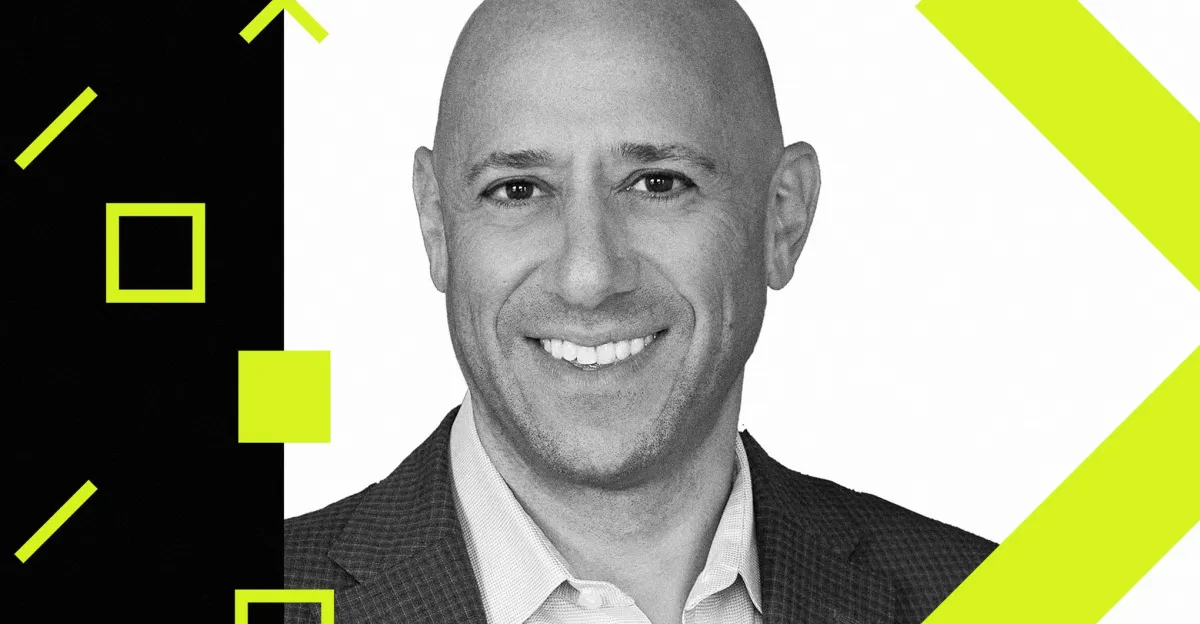
Today, I’m talking with Matt Strauss, who is now chairman of the NBCUniversal Media Group. This is Matt’s second time joining me on the show, and there’s been a whole lot of organizational and structural change at NBCU since the last time he and I spoke just two years ago — pure Decoder bait. First, […]
Today, I’m talking with Matt Strauss, who is now chairman of the NBCUniversal Media Group. This is Matt’s second time joining me on the show, and there’s been a whole lot of organizational and structural change at NBCU since the last time he and I spoke just two years ago — pure Decoder bait. First, about a month after Matt was on the show, Comcast spun off most of the NBCU cable channels into something called Versant. That’s when Matt’s title changed from heading up just the direct-to-consumer offering — meaning Peacock, plus some other streaming services — to heading up the whole thing, across all distribution. And now, Comcast is spinning off the NBCU business entirely into a whole new standalone company. Verge subscribers, don’t forget you get exclusive access to ad-free Decoder wherever you get your podcasts. Head here . Not a subscriber? You can sign up here . That’s a lot to have going on all at once! And meanwhile, it’s only just this year that Peacock became an actual profitable business at all — and it’s still pretty far away from being anything like the juggernaut that Netflix is. But what NBCU has, and what Peacock has, that the rest of the streaming industry is still trying to wrap its head around, is live sports. Sports are huge. They held up the cable industry for years, they held up broadcast, and now they’re the big thing that could make streaming a winner for NBC. One thing before we start: You’ll hear me ask Matt about the red company and the blue company. That’s just my way of getting Matt to talk about Netflix and Skydance, the company that now owns both Paramount and Warner Bros. Discovery. I think he did a good job playing along. Before we get going, do me a favor and subscribe to Decoder on YouTube, where we put out new episodes every Monday and Thursday. Okay: Matt Strauss, chairman of the NBCU Media Group. Here we go. This interview has been lightly edited for length and clarity. Matt Strauss, you are the chairman of the NBCUniversal Media Group. Welcome back to Decoder . Thank you so much, Nilay. It’s great to be back. I am very excited to talk to you. There’s a lot going on in the media. It is a tumultuous time in Hollywood. I have to tell the audience that you and I are speaking minutes after Anthropic filed its S-1 , and all of humanity is going to be turned into AI. Who knows what entertainment we’ll be watching in the future? There’s a lot going on. Let’s start at the very beginning of this. You have a new job since last time you were on the show. Last time, you were the head of Direct-to-Consumer — you were basically the head of Peacock and the other apps inside the family. Now you’re the chairman of NBCUniversal Media Group. What’s the new job? What does that mean? NBCUniversal Media Group is comprised of certain services within NBC. It’s the broadcast network, it’s Bravo, it’s Peacock, it’s NBC Sports. We also have NBC News and Telemundo. One of the things that we recognized, especially when we spun off some of our cable assets last year into Versant, was that the assets we had truly worked better together. NBC has been like a megaphone. Given the reach of NBC, it’s been incredibly strategic in growing Peacock, which is a bit ironic because I think so many people believed that broadcasting was a bit of a relic of the past in this digital world, but it’s actually proven to be the opposite. As things have gotten more fragmented, having a broadcast network is actually a superpower because we’re continuing to see ratings growth. That has been really helpful as we’ve been building out Peacock. But actually, Peacock was also finding new audiences, like cord cutters or people who maybe didn’t grow up watching NBC or some of our cable networks. So, Peacock’s also been really strategic in reaching and driving people back to NBC and Bravo. So, I think that flywheel is where we recognized that we needed to start operating differently. I’ve been a huge advocate of what I like to call “centers of excellence” in how I like to structure the business, which is, content first and platform second. How do we get maximum reach, maximum engagement? That really required us thinking differently about how we were running the business. Essentially, instead of having a programming group within broadcast and a programming group within streaming, we just collapsed the business. Now you’ve got one programming team, one marketing team, one product and technology team, one decision sciences and research team, and one advertising team. They’re all incentivized around continuing to grow the portfolio, get that maximum reach, maximum engagement, and drive top-line revenue. I think that structure, which we put in place about 18 months ago, is contributing to a lot of the success that we’re seeing now. Even if you look at 2026, NBC is the number one network in total viewers. We had an unbelievable early part of the year with “Legendary February,” which you might remember. That’s when we had the Super Bowl, the Milan Cortina Olympics, and the NBA All-Star Game. In 17 days, we reached over 225 million viewers. This summer, we had Love Island , which was the number one show of the summer for streaming. You had the World Cup, which was the number one Spanish-language sporting event in US history on Telemundo and Peacock. We had a show called The Five-Star Weekend , which was our number one scripted drama. Now, we’ve led ourselves into the fall, where we have Sunday Night Football, which has been the number one show for 15 consecutive years. We had a great kickoff with over 25 million viewers. We just had the NBA tip-off last week with the Knicks and the Sixers, which is the number one rated tip-off in NBA history. So, it does feel like we’re firing on all cylinders in how we’re trying to operate with this, again, content-first-platform-second mantra. But just to go one level deeper, a big part of this strategy is figuring out how do we move audiences across platforms. For example, when I mentioned that Love Island was the number one streaming show of the summer, 40 percent of those Love Island viewers also tuned in to watch the World Cup. So, migrating viewers back and forth across the portfolio is a critical part of how we see ourselves continuing to grow. But to effectuate that, you need to structure yourself in a way where people are incentivized along that vision. We’re still evolving as an organization, but I’m really proud of some of the milestones and accomplishments that we’ve made as a team. I love my job. I feel like I’ve got the best job in the industry at the moment. It is a tumultuous time in Hollywood, and you seem like one of the happiest people in the industry right at the second. That is very notable. You’re a Decoder pro, you brought up structure. I’m dying to ask you about the Decision Sciences Group. That’s the other question I ask everybody. But let me just back out for one second. You’re describing quite a lot of freedom in rethinking how something like NBCUniversal would work. You mentioned the Versant spin, so CNBC, MS Now, and a bunch of channels went that way. I’m on its networks all the time. I would describe the folks at Versant as feeling more free. They’re disconnected from the battleship that was Comcast and NBCUniversal. They can go try whatever they want to try. They’re energized by it in some ways. Then, Comcast looked at NBCUniversal and said, “We’re going to spin off that off as well. We’re going to be the cable business and NBCUniversal will be the entertainment business, and now you’re in charge of that.” You’re like a 20-year Comcast veteran. I think you got your start doing cable boxes. Yep. I started in 2004 at Comcast. Just tell me about that process. We spun off CNBC and MS Now into Versant. Now we’re looking at this company. We ought to spin off NBCUniversal as well. Just tell me about how that came about. What was that moment like? Did you all sit in a boardroom? Did it come down from on high? How did that ha