How GoFundMe became America’s backup plan
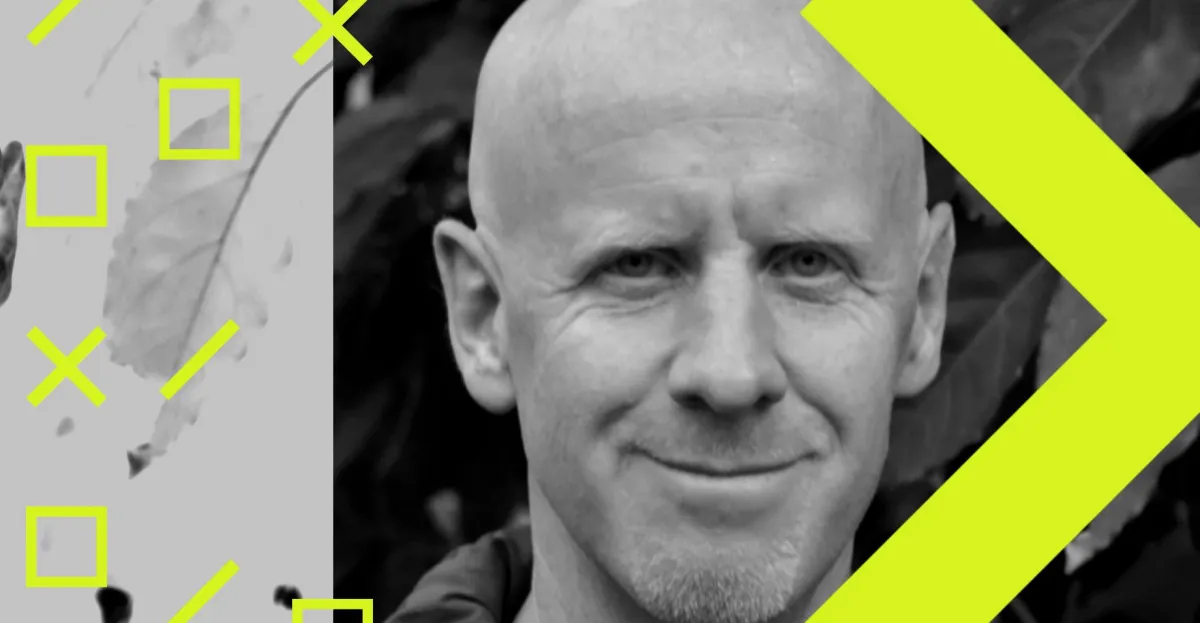
Today on Decoder, I’m talking with Tim Cadogan, the CEO of GoFundMe. You know GoFundMe — it’s a major fundraising platform where you can donate to help people with everything from medical expenses to little league uniforms to starting a new business. Tim took over as CEO in March 2020 — a fascinating and chaotic […]
لماذا يهم هذا الخبر؟
سيظهر الملخص التحليلي هنا بعد اكتمال معالجة الذكاء الاصطناعي.
سياق الخبر
Today on Decoder , I’m talking with Tim Cadogan, the CEO of GoFundMe. You know GoFundMe — it’s a major fundraising platform where you can donate to help people with everything from medical expenses to little league uniforms to starting a new business. Tim took over as CEO in March 2020 — a fascinating and chaotic moment in the United States, and the moment, you’ll hear me argue, I think GoFundMe became a load-bearing part of American culture. Verge subscribers, don’t forget you get exclusive access to ad-free Decoder wherever you get your podcasts. Head here . Not a subscriber? You can sign up here . It wasn’t just the pandemic that changed the nature of fundraising platforms like GoFundMe. 2020 was a major turning point in the history of political unrest in the US, and GoFundMe has become a central player in many contentious news events since — not just in the US, but all over the world. The platform is also now a kind of proxy for the broken healthcare system — medical expenses are the most popular category of fundraising on GoFundMe. You might be surprised to hear Tim say this is not just in America, but in every market GoFundMe operates in. All of this means GoFundMe sits inside a ton of big, messy ideas: wealth distribution, geopolitical conflict , the holes in the social safety net. And that’s also in direct tension with the platform being a for-profit company, collecting fees and tips and feeling the pressure to grow as a business. So you can imagine I had a lot of questions for Tim: how he thinks about all this, and how he makes some very tough decisions about what money to make and what money not to make. To his credit, he was game to go there and talked about it all pretty openly. Okay: Tim Cadogan, CEO of GoFundMe. Here we go. This interview has been lightly edited for length and clarity. Tim Cadogan, you’re the CEO of GoFundMe. Welcome to Decoder . Hey, thank you very much for having me, Nilay. I am very excited to talk to you. GoFundMe occupies an incredibly unique place, I think, in our culture, particularly in American culture and American society. It’s a for-profit company, and I have a lot of questions about how you think about its place in our culture and the need to grow and deliver returns. I was also doing the research. You joined this company in the pandemic, in the heart of the pandemic, when it felt like everything changed. Now, we’re six years later; maybe things have settled, maybe they haven’t. But I actually just want to start there. You became the CEO when the idea that the public health system — how we think about healthcare in America — got flipped upside down. I know that healthcare expenses are, I think, the single biggest category on GoFundMe. How do you think about the platform, and how do you think about that path from 2020 to now? Well, yes, there’s a lot in there. So I started on March the 2nd, 2020, which was about a week before it became very clear in the US that the pandemic was going to have major implications, but it was already becoming clear in other parts of the world. We operate in 20 countries, and we did back then. For instance, Italy is an important country for us, and that was probably the first European country that experienced a big impact. So it was just becoming evident; in fact, by the end of the first week, we went remote. Things came at us, all of us in the world, very quickly. It certainly came very quickly for me, trying to figure out a new company, a new space, and all this stuff happening. The root of what we do is extremely simple. We help people help each other. And we are there to help people in whatever situation they need help. Sometimes those are the most consequential, the most significant thing that is happening in someone’s life and has ever happened in their life. And sometimes they’re very lighthearted and fun and forward-looking, like going to college or sending your kids’ sports team on tour because they’ve made the state championships, you name it. Everything in between: if someone thinks they need help, we’re here to help them mobilize support from friends, family, and networks. So when you talk about the pandemic, that is a time when millions of people needed a lot of help. In some cases, for medical situations and everything related to that, some cases because they weren’t able to work anymore. Or we had a phenomenon that was not expected — and we could not have anticipated this — when hundreds of thousands of small businesses were shutting down: restaurants, bars, music venues. They were all having to shut down for a while and didn’t know how long they had to furlough employees. We had tens of thousands of fundraisers that were often being set up by really loyal customers who said, “I love my local restaurant. I really feel bad for the wait staff and the kitchen staff. I want to set up a GoFundMe for them.” And we had so many of those, and it was such a different use case that it was a struggle to figure out how we handle the volume. For example, when you raise money into a fundraiser, to take the money out, you have to go through a [know your customer] process to verify that you’re the right person. If you’re a business, you have to go through a KYB process. And that’s different and more complicated. It means you need paperwork. And if people are no longer at their place of business, how do you get the paperwork? So, we and our payment processors who we work with — all money goes through our third-party payment processors, not through us — had to figure out how to get through this huge amount of new fundraisers to navigate the situation. Those are a couple of examples of this kind of thing, but it goes back to helping people help each other in whatever situation they’re dealing with. I think the reason I wanted to start there, and you can disagree with me on this, is because that feels, to me, like the moment when GoFundMe became a load-bearing part of American culture in very specific ways. The same way that Zoom maybe became a load-bearing part of American business for five minutes. Everything changed, and what are the resources, what is the infrastructure, and what are the tools? And GoFundMe emerged as one of those things. Obviously, you were the new CEO at the moment, so maybe you just had to react and put one foot in front of the other. But I’m wondering if you feel the same way about what GoFundMe has become after that time. Yeah. I think your phrase there, which I haven’t heard before, but I think is a really interesting part of it, is [calling GoFundMe] load-bearing. We definitely were used by more people. Awareness was already reasonably high, but it has increased. To give you a sense, our unaided awareness was sort of in the mid-30s. It’s now about 70 percent. Aided awareness is in the low 90s. So almost everyone has heard of GoFundMe. And yes, I do think that along with a lot of digital services in that time period, the awareness and usage elevated and has continued to grow since then. I think, well, more than a third of American adults have used GoFundMe now. Also, I think it’s not just America, though. So we’re in 20 other countries: the UK, Ireland, Italy, France, all the European countries, Australia, Canada. A similar thing has happened there, where doing a GoFundMe has become an expression in the vernacular. And it’s become something that people definitely relate to. It’s like, that is a way that I can do something. I’ll give you a personal example. I was telling your producer before we got on. We were talking about where we are in the country. I’m in Altadena, as I mentioned. In January last year, our town burned down: 6,000 homes, and about two-thirds of the population displaced. GoFundMe was an incredibly important part of the response. The response involved many things: national agencies, local agencies, and nonprofit organizations. GoFundMe was the way that over 10,000 families here in the Palisades could mobilize support and love from friends an
فتح الخبر الأصلي